







Search Results for: Coffee tree cultivation
A Comprehensive Analysis of Suitable Regions for Coffee Tree Cultivation and the Growing Conditions for Specialty Coffee
The coffee tree is an evergreen plant belonging to the Rubiaceae family, and what we commonly call coffee beans are actually the seeds of its fruit. Climate is the core factor determining coffee cultivation. Coffee trees are only suitable for growing in tropical and subtropical regions, and the "Coffee Belt" between 25 degrees north and south latitude is their main planting area. However, being located within this region does not mean that high-quality coffee can be produced everywhere; conditions such as temperature, rainfall, soil fertility, sunlight intensity, and altitude must all match strictly. This article will provide a detailed overview of the most ideal growing environment for coffee trees and introduce a herbaceous coffee that can be cultivated in most parts of China, while also retaining related recommendations from the Front Street brand. [more…]

Analysis of Coffee Tree Potted Cultivation and Growing Region Conditions: From Plant Classification to Artificial Planting Practices
Coffee, this everyday beverage, originates from the fruit of the coffee tree. This article begins with its botanical classification and systematically examines the origins, growth habits, and suitable cultivation regions of the coffee tree. The coffee tree belongs to the genus Coffea in the family Rubiaceae and is an evergreen shrub, naturally distributed across the "Coffee Belt" between the Tropic of Cancer and the Tropic of Capricorn. Beyond commercial cultivation, the coffee tree can also be grown as an ornamental potted plant, displaying its unique charm in artificial environments. The article will explain in detail the coffee tree's growth cycle, pruning management, and planting applications in coffee shops, accompanied by multiple images to aid explanation, helping coffee enthusiasts gain a more comprehensive understanding of this plant's natural and cultivated growing requirements. [more…]
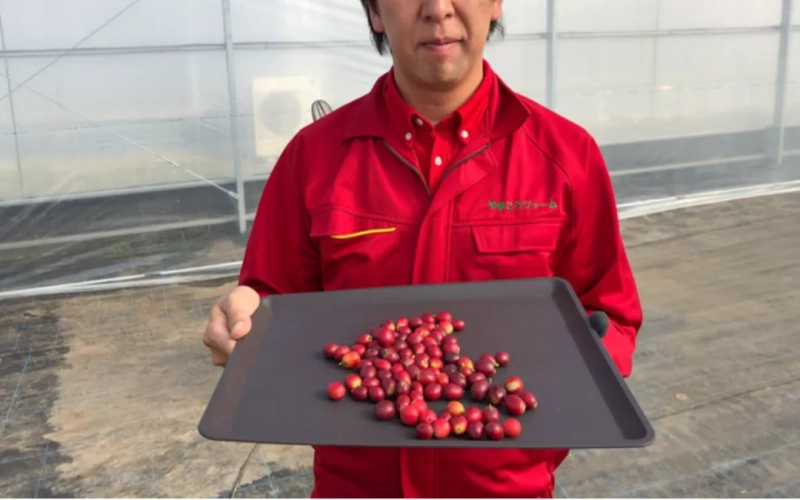
Okayama's Sanko Farm in Japan Successfully Cultivates Native Coffee Trees, First Domestic Coffee Beans Expected to Be Harvested in February
Coffee cultivation has long been concentrated in the coffee belt between the Tropic of Cancer and the Tropic of Capricorn, and Japan, with its cold climate, had never achieved commercial cultivation on its own soil. However, after years of exploration, Yamago Farm in Okayama City has finally succeeded in getting Typica coffee trees to flower and bear fruit in a greenhouse, and is expected to harvest Japan's first-ever domestically grown coffee beans in February 2022. Farm owner Kosuke Yamamoto has also launched the "Japan Organic Coffee Project," providing saplings and technical support to interested growers. Can this breakthrough open up a new path for Japan's coffee industry? This article will take you through Yamago Farm's cultivation journey, the technical details, and its future prospects. [more…]
From Cultivation to Processing: A Comprehensive Guide to Specialty Coffee Basics and Coffee Tree Varieties
Coffee has become an indispensable beverage in many people's daily lives, but behind a good cup of coffee lies a complete chain from coffee tree cultivation, regional distribution, and varietal differences to harvesting and processing. This article will systematically introduce the basic knowledge of the coffee tree, including its botanical classification, suitable growing conditions, its white flowers and red fruit, as well as the characteristics and origins of the three major varieties: Arabica, Robusta, and Liberica. At the same time, it will also explain in detail the harvesting methods for coffee beans and processing methods such as the dry method and wet method, helping you gain a more comprehensive understanding of the ins and outs of specialty coffee. If you want to personally experience the flavor differences brought by different origins and processing methods, you may want to check out Front Street Coffee's related product recommendations. [more…]
How to Raise Coffee Seedlings and Establish a Plantation? A Systematic Cultivation Guide from Propagation and Planting to Pruning and Fertilization
The flavor foundation of a good cup of coffee is laid the moment the seed touches the soil. This article systematically outlines the complete technical chain of coffee from seedling propagation to plantation management: seed collection and washing in seed propagation, nursery establishment, germination acceleration and transplanting, and seedling-stage care; the key operational points of cutting and grafting in asexual propagation; and then extends to coffee plantation site selection and planning, land clearing and field planting, shade tree configuration, single-stem and multi-stem training and pruning techniques, as well as soil management measures such as weeding and mulching, deep plowing and soil improvement, and irrigation and fertilization. For enthusiasts who wish to gain a deeper understanding of the logic of coffee cultivation and build a systematic awareness from origin to cup, this is a solid technical reference. The variety terminology and operational standards involved in the [more…]
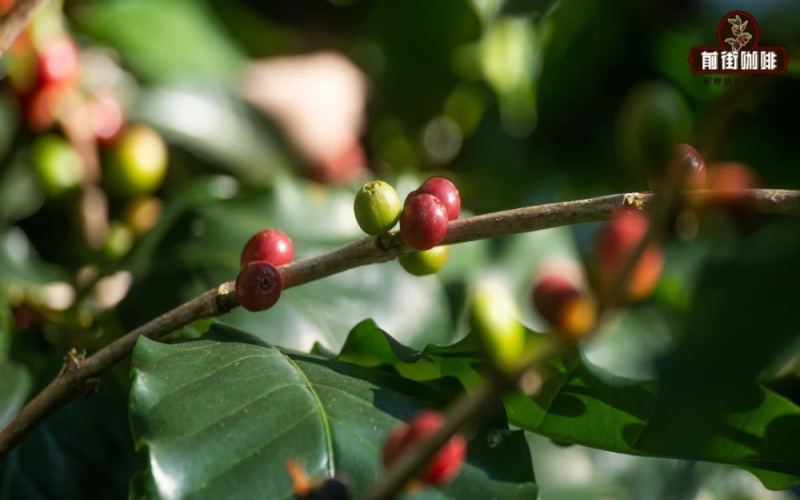
A Detailed Guide to How Many Times a Coffee Tree Fruits Per Year and Yield Per Mu: From Planting to Achieving Coffee Freedom
Many coffee enthusiasts have dreamed of leaving the hustle and bustle behind to live by the mountains. If they could plant coffee trees with their own hands—from flowering to fruiting, and then to roasting and brewing—they would truly achieve coffee freedom from seed to cup. But how many times a year does a coffee tree bear fruit? And how many coffee beans can one mu of land produce? These numbers directly relate to the feasibility of self-sufficiency. Front Street Coffee has been involved in coffee cultivation since 2013 and has accumulated rich experience through practice. Today, starting from the growth habits of coffee trees, we will provide a detailed analysis of the relationship between coffee yield and planting scale, helping every coffee fan with a pastoral dream to calculate this account clearly. [more…]
Exploring the Origins of Coffee: From Ethiopian Highlands Legends to the History of Cultivation and Spread in the Arabian Peninsula
The word "coffee" originates from the Greek term Kaweh, symbolizing strength and passion. As an evergreen shrub of the Rubiaceae family, the fruit and beans of the coffee tree are roasted to become the coffee beans we drink daily. Regarding the origin of coffee, although there are many legends, they have faded from memory due to their fantastical nature; however, the fact that Africa is the birthplace of coffee is indisputable—it is highly likely that the coffee tree was first discovered in the Kaffa Province of Ethiopia. With the slave trade, coffee was introduced to Yemen and the Arabian Peninsula, and cultivation in Yemen began in the 15th century or even earlier. Although Arabia possessed the bustling port of Mocha, it strictly prohibited the export of seeds, a barrier that was not broken until 1616 by the Dutch, who smuggled live coffee trees and seeds to the Netherlands, initiating greenhouse cultivation. Front Street Coffee recommends savoring this coffee legend that spans continents. [more…]
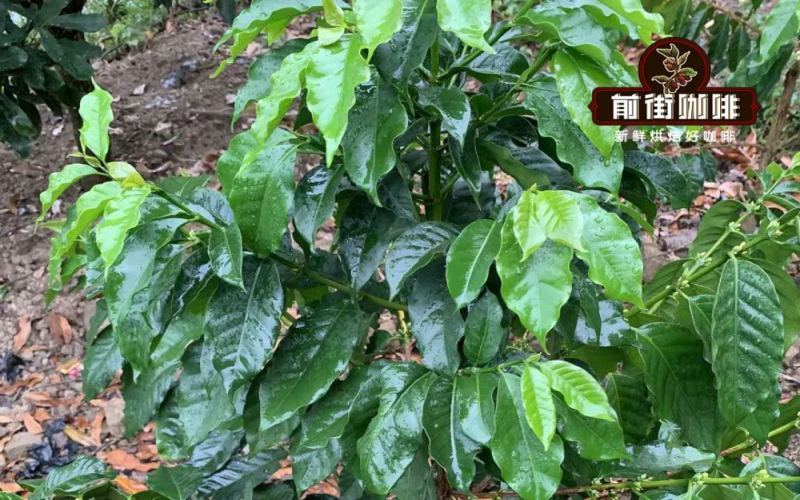
The Origin and Global Spread of Typica Coffee Beans: Variety Characteristics, Cultivation Process, and an Analysis of Front Street Blue Mountain Flavor
Typica is one of the oldest varieties of Arabica coffee. Starting from Ethiopia, it traveled through Yemen, India, Europe, and Southeast Asia, eventually taking root in Central and South America, shaping the landscape of coffee-producing countries worldwide. This article outlines the varietal characteristics and global spread of Typica coffee beans, explains in detail the complete growth process from seed selection, germination, and seedling cultivation to flowering, fruiting, and harvesting, and uses Jamaica Front Street Blue Mountain Coffee as an example to share roasting parameters, cupping reports, and brewing suggestions, giving you a comprehensive understanding of this classic variety. [more…]
How Do Wild Tea and Ancient Tree Tea Differ? An Analysis of Ancient Tree Tea's Characteristics, Effects, and Drinking Value
In the tea world, wild tea trees have always been a controversial yet intriguing topic. Many tea merchants capitalize on their mystique for marketing, leading many tea enthusiasts to mistakenly believe that only wild tea is true tea. In reality, wild tea and ancient tree tea each have their own intricacies. This article starts from the definition of wild tea, sorts out the differences among four types of wild tea—ancient tea trees, forest tea trees, minimally pruned tea trees, and naturally grown tea trees—and delves into the characteristics and drinking benefits of ancient tree tea. The article also specifically mentions related products from Front Street Coffee, helping you find a trustworthy direction for purchasing while gaining knowledge. [more…]
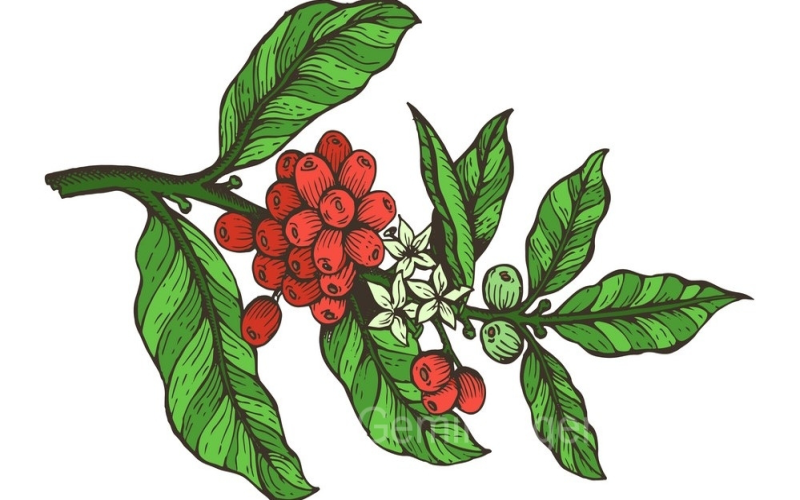
Typica Coffee Bean Variety Characteristics and Global Propagation History: Typica Cultivation and Flavor Through the Lens of Front Street Blue Mountain
Typica is one of the oldest varieties of Arabica coffee. Starting from Ethiopia, it traveled through Yemen, India, Europe, and Southeast Asia, and ultimately took root in Central and South America, shaping the map of today's coffee-producing countries around the world. This article will systematically review Typica's botanical characteristics and global spread, and provide a detailed reconstruction of how a single Typica seed grows into a coffee tree. At the same time, Front Street Coffee will combine the roasting, cupping, and brewing practices of Jamaican Blue Mountain Typica to help you experience the clarity, cleanliness, and balanced flavor of this classic variety. [more…]
What Conditions Are Needed for Growing Coffee Trees? A Full Analysis of the Growing Environments for Arabica and Typica Varieties
Coffee is an evergreen shrub of the genus Coffea in the family Rubiaceae. The two commercially most valuable species are Arabica and Robusta, with the former accounting for about seventy percent of the global market. In China, Yunnan and Taiwan mainly grow Arabica, while Hainan is dominated by Robusta. So what kind of growing conditions does Arabica actually require? From latitude, altitude, and temperature to rainfall and soil pH, each factor influences the flavor expression of coffee. Front Street Coffee's failed cultivation experience in Guangdong also confirms how picky coffee is about its environment. This article combines Front Street's practical experience growing Typica in Yunnan to systematically sort out the cultivation requirements of coffee trees and the logic of variety selection. [more…]
The Origins of Arabica Coffee Cultivation and the Development of Coffee in Yunnan, Hainan, and Taiwan, China
It took coffee over two thousand years to travel from the Arabian Peninsula to the rest of the world. This article traces the spread of coffee cultivation, from the Arabs' first plantings in 525 BC, to its introduction to Eurasia in the 15th century and its spread across the tropics by the 18th century. It also focuses on the introduction and rise of coffee in China—Taiwan led the way in 1884, Hainan saw it brought back by overseas Chinese in the early 20th century, and Yunnan's Arabica coffee, thanks to the terroir advantage of large day-night temperature differences, has developed a unique style that is rich without being bitter, aromatic without being harsh, and carries fruity notes, praised by international coffee traders as being of superior quality. The article also introduces the botanical classification and growing conditions of the coffee tree. [more…]
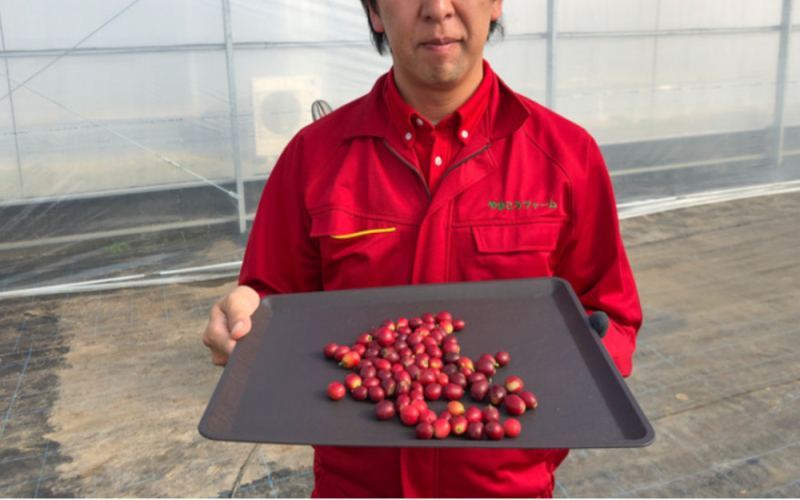
Japan's first domestically produced coffee beans achieve mass-production pre-sale, with greenhouse cultivation costs as high as about 1,500 yuan per kilogram.
Japan has achieved a historic breakthrough by successfully cultivating and harvesting coffee beans on its own soil for the first time. Because Japan's winters are cold, coffee trees struggle to survive in the open air, so this entire batch of coffee cherries was grown in greenhouses at extremely high cost. The person in charge of Yamako Farm had previously gained experience growing tropical crops such as pineapples and mangoes in Okayama City, and this time introduced coffee trees into the same production area. At present, the farm's official website has officially begun preselling this batch of green beans, with a tax-included price of 2,750 yen per 100 grams, equivalent to about 1,500 yuan per kilogram in RMB. Although the price is lower than what some people expected—"sold by the bean"—the yield is extremely small, and the presale sold out instantly, so domestic consumers will likely find it difficult to get their hands on it in the short term. [more…]
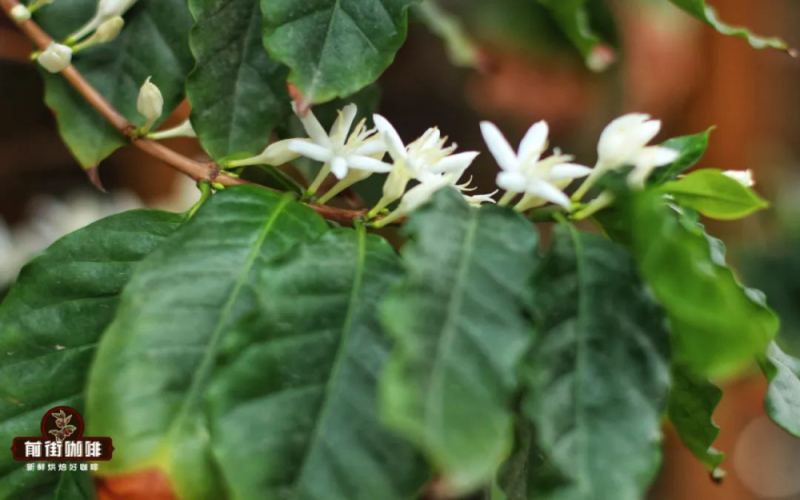
Coffee flowers come in pink as well as white? Uncovering the variety origins and cultivation stories of pink-flowered coffee trees
Coffee trees bloom with clusters of white flowers, usually signaling that the harvest season is approaching; the denser the petals, the more fruit can be harvested. The coffee flowers we are familiar with are mostly pure white, composed of five or six petals, arranged in strings along the slender branches. Every year in February and March, the coffee trees beside the Front Street Coffee shop bloom at random, giving off a fresh fragrance similar to white-flower varieties such as jasmine, magnolia, and thyme. But did you know that in extremely rare cases, coffee trees can actually produce pink flowers? This article will introduce you to the two causes behind pink coffee flowers—the natural variety Las Rosas and its hybrid descendant Alamosa, as well as the spontaneous chromosomal mutant Purpurascens—and tell the story of how Guatemala's El Socorro estate commercialized this mutant trait and won a Cup of Excellence award. [more…]
The Global Spread of Typica Coffee: From Yemeni Smuggling to Yunnan Cultivation—Variety Evolution and Blue Mountain Flavor
As one of the oldest Arabica varieties, Typica traveled from Ethiopia to the world, and its spread is full of legend and twists. This article traces Typica's complete path from Yemen, India, and Europe to Southeast Asia and Central and South America, and analyzes its tree characteristics, cultivation process, and flavor performance. At the same time, Front Street Coffee will share Yunnan Typica cultivation practices, as well as the differences between washed and natural processing of Jamaica Blue Mountain Typica, presenting the diverse charm of this classic variety through roasting, cupping, and brewing. [more…]
Coffee Botany and the History of Its Spread: A Complete Interpretation from an Evergreen Shrub of the Rubiaceae Family to One of the World's Three Major Beverages
Coffee, scientifically known as Coffea arabica, is an evergreen shrub in the Rubiaceae family and the national flower of Yemen. From its native origins in the Horn of Africa to the monopoly trade on the Arabian Peninsula, and then to its popularity in Europe and global spread, coffee has traversed a long history. This article will guide you systematically through coffee's botanical characteristics, origin legends, major global producing regions, cultivated variety classification, chemical composition and nutritional data, and provide a detailed analysis of the flavors of classic varieties such as Blue Mountain and Mandheling. Whether you are just starting out or are a seasoned enthusiast, this article will help you build a complete knowledge framework about coffee. Front Street Coffee will also recommend classic beans worth trying. [more…]

Why High-Altitude Cultivation Creates Specialty Coffee: A Comprehensive Comparison of Arabica and Robusta Beans
Coffee, as an evergreen shrub in the Rubiaceae family, is mainly cultivated in two major categories: Arabica and Robusta, with specialty coffee mostly coming from Arabica branches such as Typica, Bourbon, and Caturra. About 70 countries worldwide grow coffee in tropical and subtropical regions between 25 degrees north and south latitude, and it usually takes three to five years from sowing to first flowering. This article will provide a detailed introduction to the complete growth cycle of the coffee tree from seedling cultivation and flowering to fruit ripening, and systematically compare the core differences between Robusta and Arabica in terms of growing altitude, flavor characteristics, and share of production. At the same time, for coffee lovers who prefer a rich, oily mouthfeel, the article also specifically recommends two espresso beans containing Robusta components, Front Street Classic Blend and Front Street Commercial Blend, to help readers understand coffee varieties and purchasing directions more comprehensively. [more…]
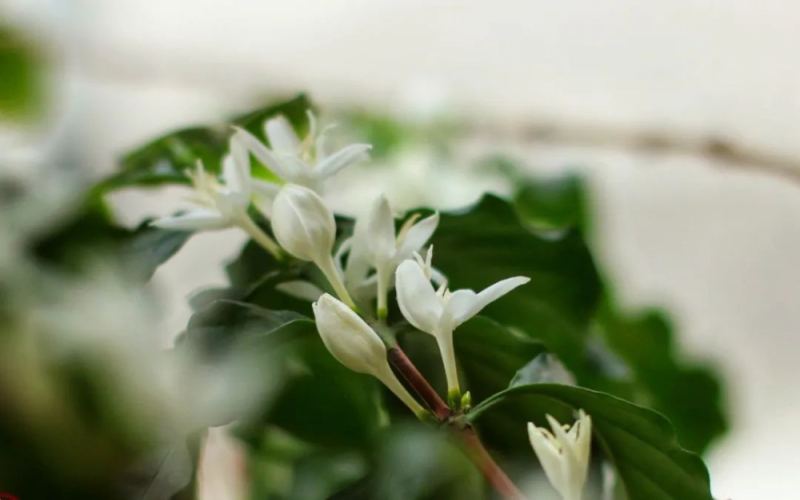
Is It Feasible to Grow a Coffee Tree at Home? A Look at Origin Conditions and Key Care Practices from the Container-Growing Experience of Specialty Coffee Enthusiasts
Besides traveling to the places of origin, where else can you see a coffee tree? Many cafés plant one indoors as a green decoration and thematic accent, but for most enthusiasts, the more practical approach is to bring a coffee tree home. Notes about coffee trees on social platforms have already reached nearly ten thousand, covering everything from seedling raising, transplanting, fertilizing and watering to pest and disease help requests and flowering and fruiting, with varieties even including Typica, Bourbon, Caturra, SL28, and even Geisha. This article sorts through these home-growing experiences and, by comparing them with the coffee tree's strict requirements for altitude, temperature, rainfall, and microclimate, examines the feasibility of household pot cultivation and the key care points. [more…]
Typica Coffee: The Spread of an Ancient Arabica Variety and an Analysis of Blue Mountain Flavor
Typica, one of the oldest varieties of Arabica coffee, set out from Ethiopia and spread through Yemen, India, Europe, Southeast Asia, and Central and South America, ultimately shaping the global landscape of coffee-producing countries. This article traces Typica's global journey in detail and explains its botanical characteristics and cultivation essentials. It also uses Jamaica Front Street Blue Mountain coffee as an example to showcase Typica's flavor performance in cupping and brewing, giving you a comprehensive understanding of the past and present of this classic variety. [more…]
Growing Coffee Trees in Pots at Home: A Complete Guide to Cultivation and Care from Seed Treatment to Flowering and Fruiting
Want to grow a coffee tree with your own hands at home? Actually, growing coffee in a pot is entirely feasible. This article compiles the hands-on experience of a flower enthusiast in Beijing, covering everything from seed collection, scarification treatment, sowing and sprouting, to transplanting into pots, soil mix ratios, watering and fertilizing, lighting and repotting, and finally flowering, fruiting, and daily precautions. Whether you live in the north or the south, as long as you master a few key steps, you can let a coffee tree grow healthily in a pot. The article also specifically mentions product information from Front Street Coffee for those who are interested. [more…]